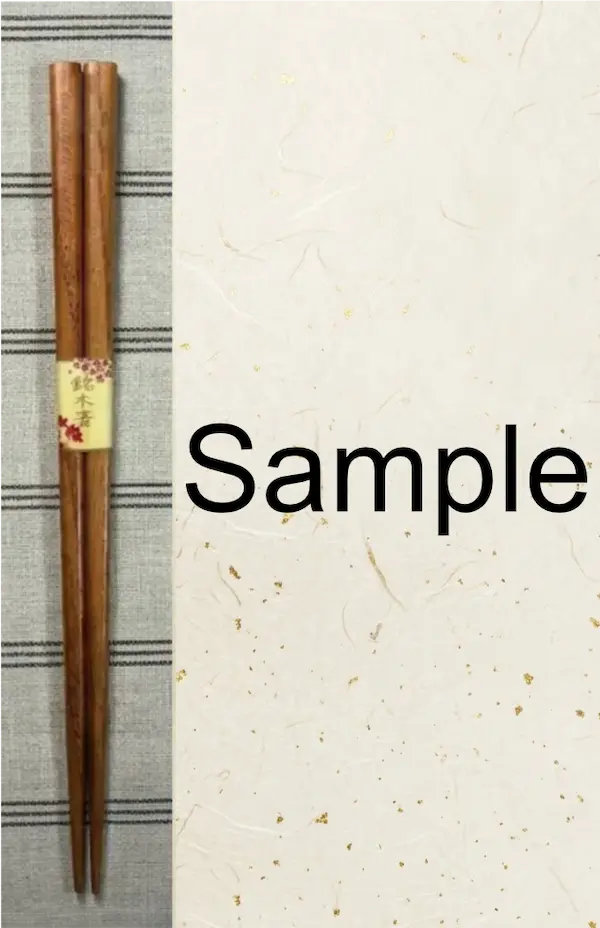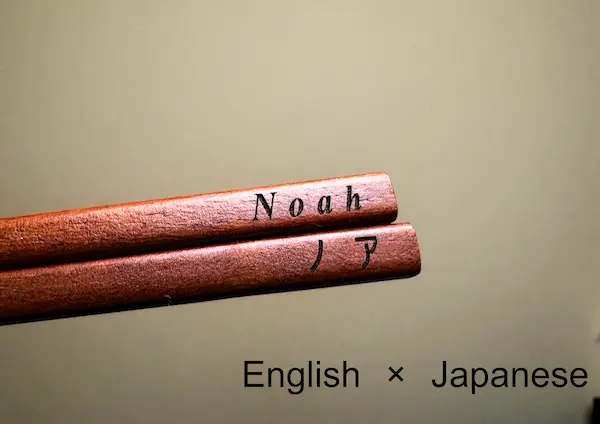
PERSONALIZED CHOPSTICKS
DELIVERED TO YOUR HOTEL
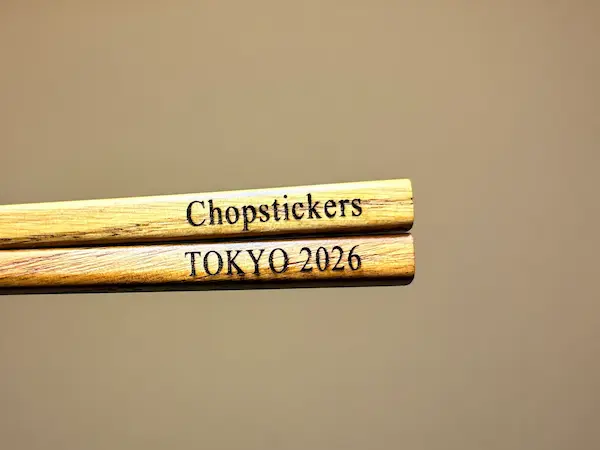
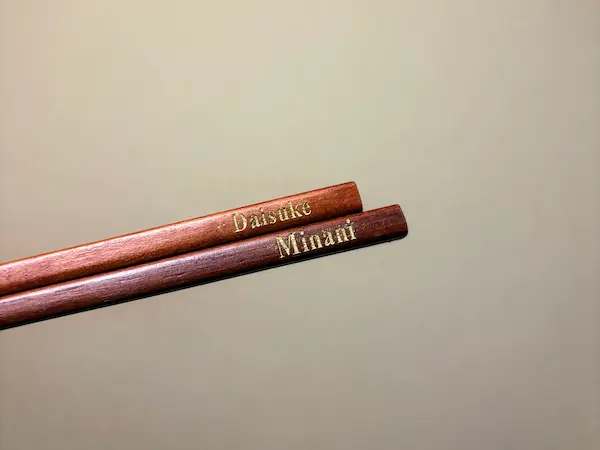
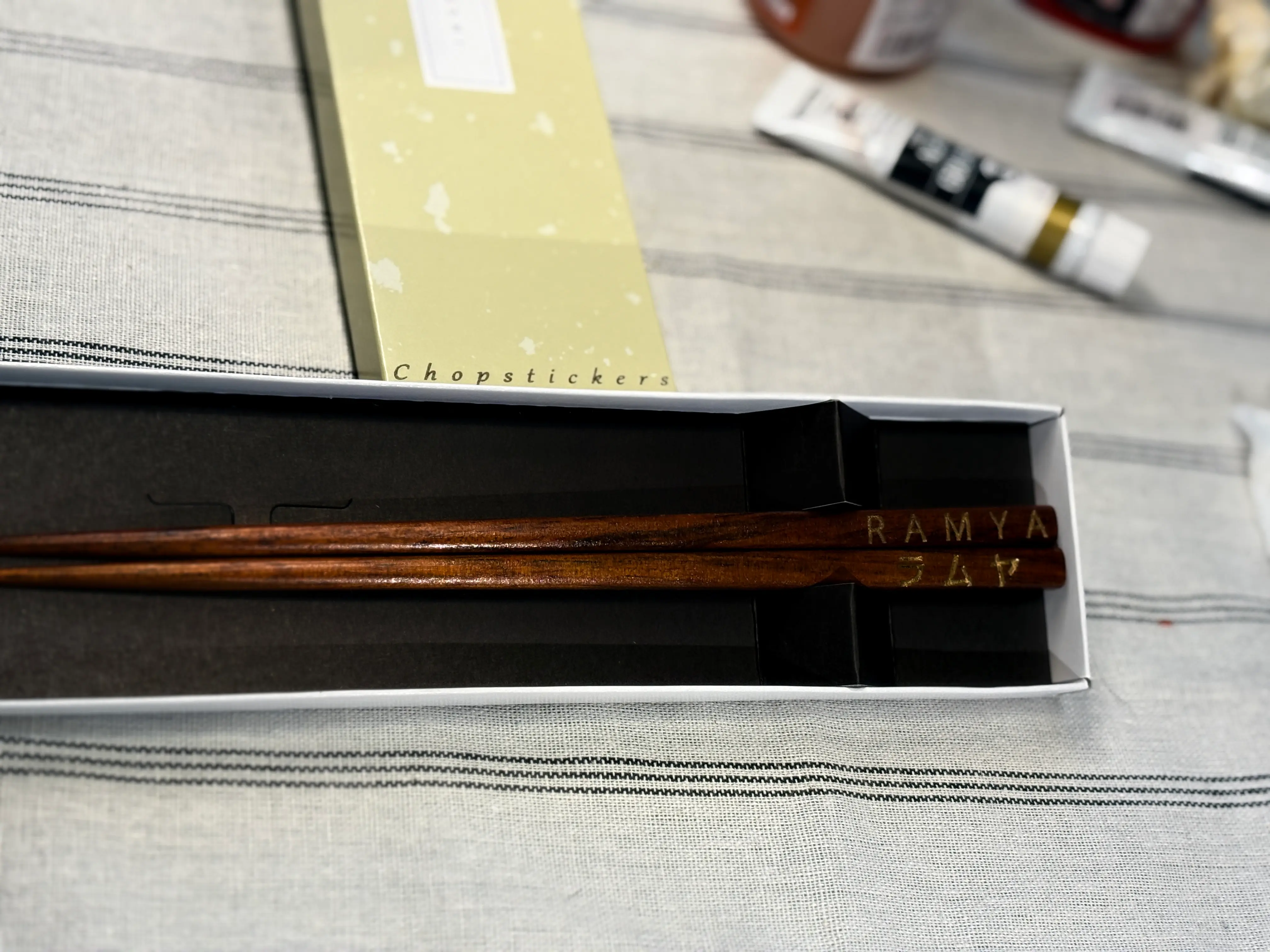
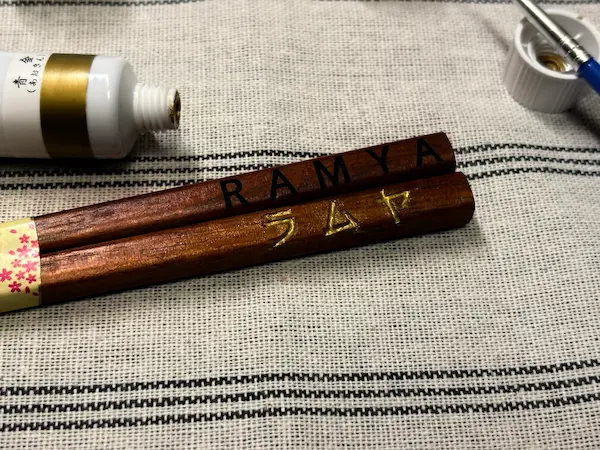
Your name in Japanese Katakana,
engraved on authentic Japanese chopsticks.
🌙 NIGHT & EARLY MORNING DELIVERY
8:00 PM – 8:00 AM
(Last delivery slot: 8:00 AM)
Order from your room.
Meet us outside your accommodation in Tokyo.
⚡ Next-day Express is also available
for last-minute orders.
Let's see your name in Japanese!
* Chopstickers only shows Katakana readings that we have verified in actual Japanese usage.
* If not found or preferred differently, you can type Katakana directly in Live Preview.
💡 Smart backup plan for your trip.
🔔 Add Reminder to Google Calendar🥢 Lineup & Pricing
From ¥3,500 (Includes Engraving & Standard Delivery)
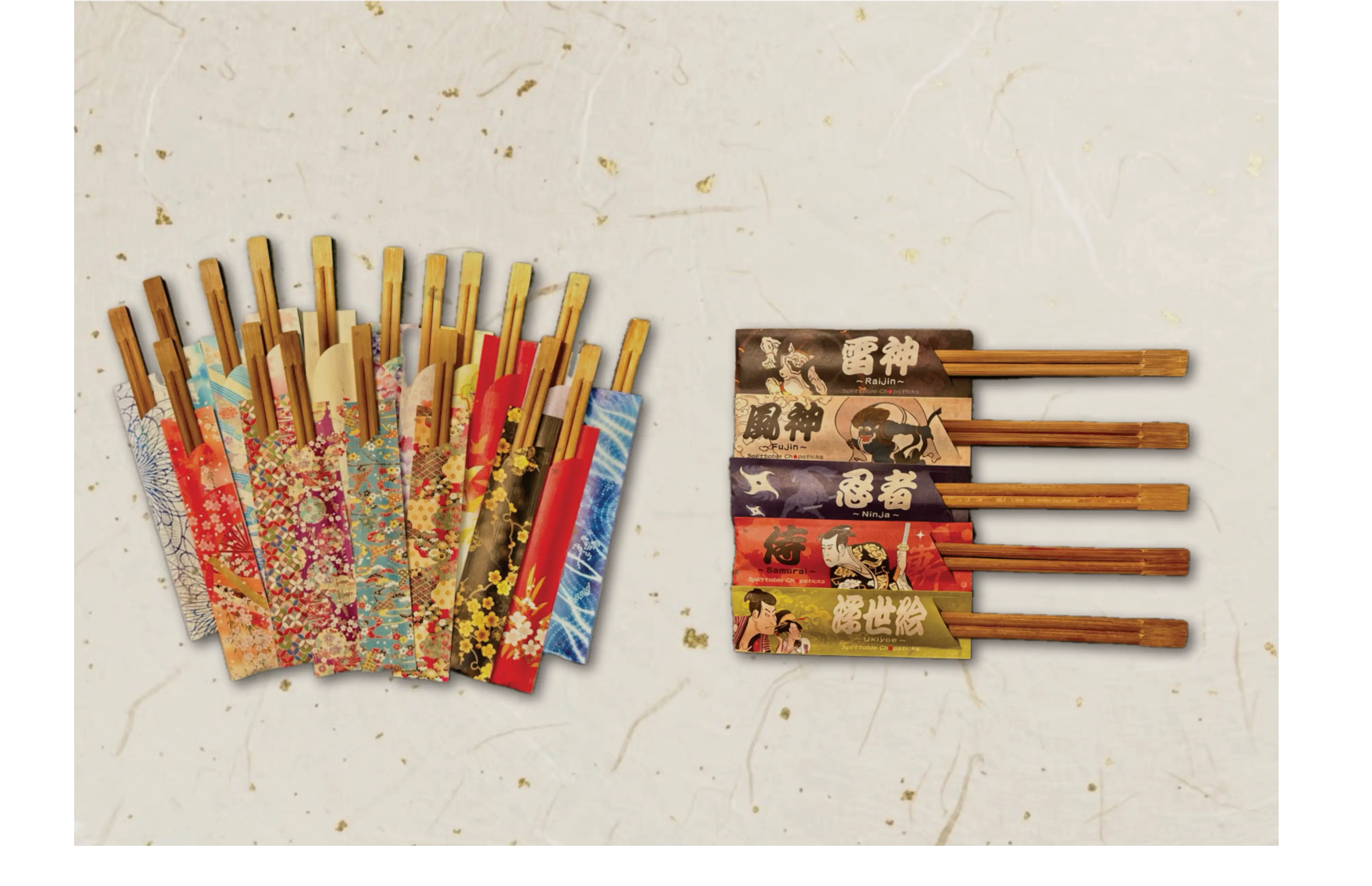
Classic (Daily Use)
¥3,500 (+¥2,000 / Extra Pair)
Engraving on Chopsticks
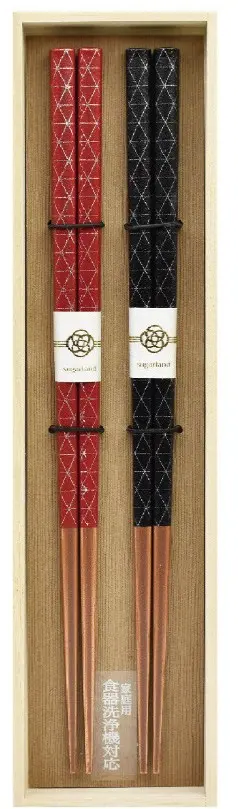
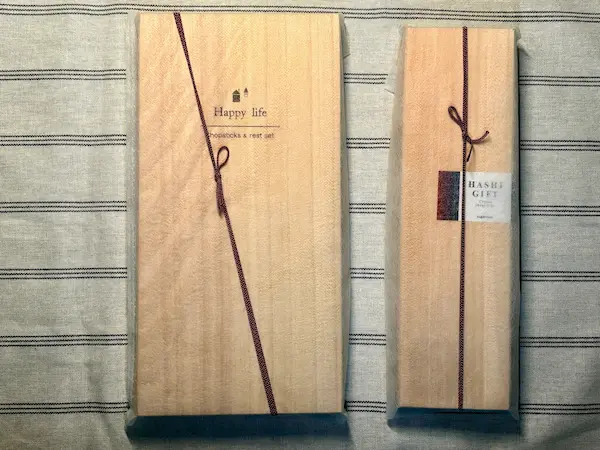
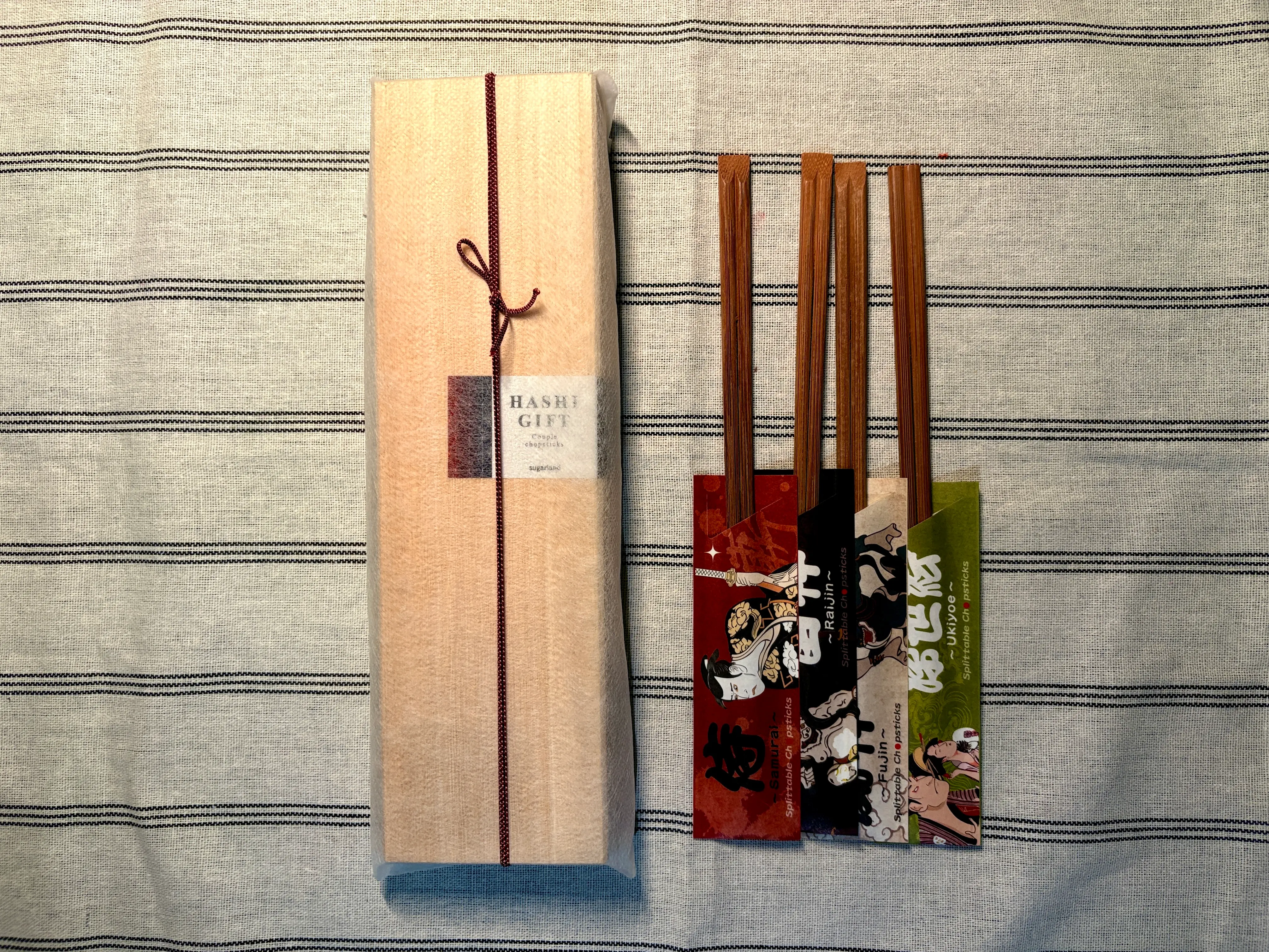
Engimon (Gift Box)
¥5,800
Engraving on Wooden Box
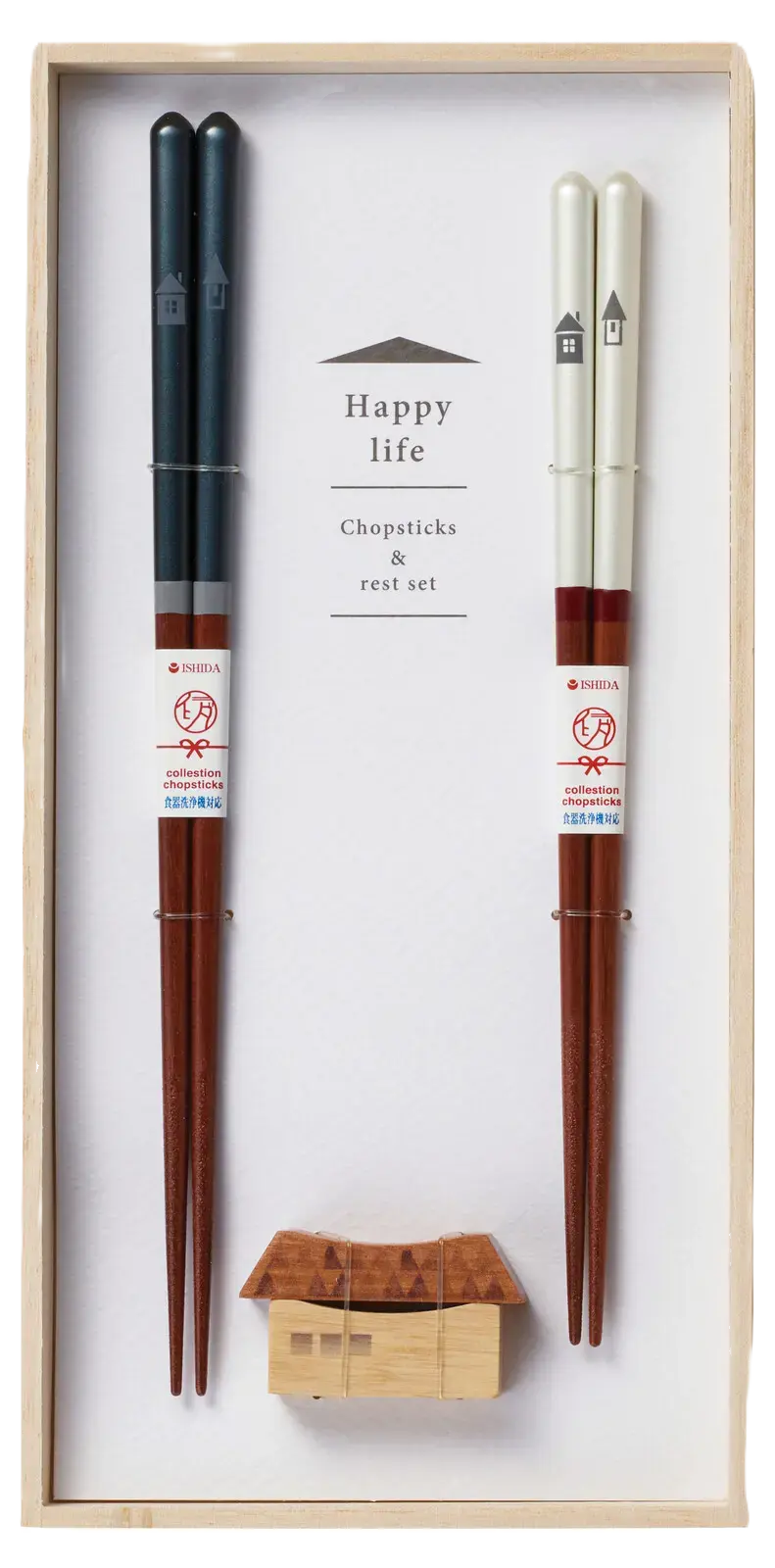
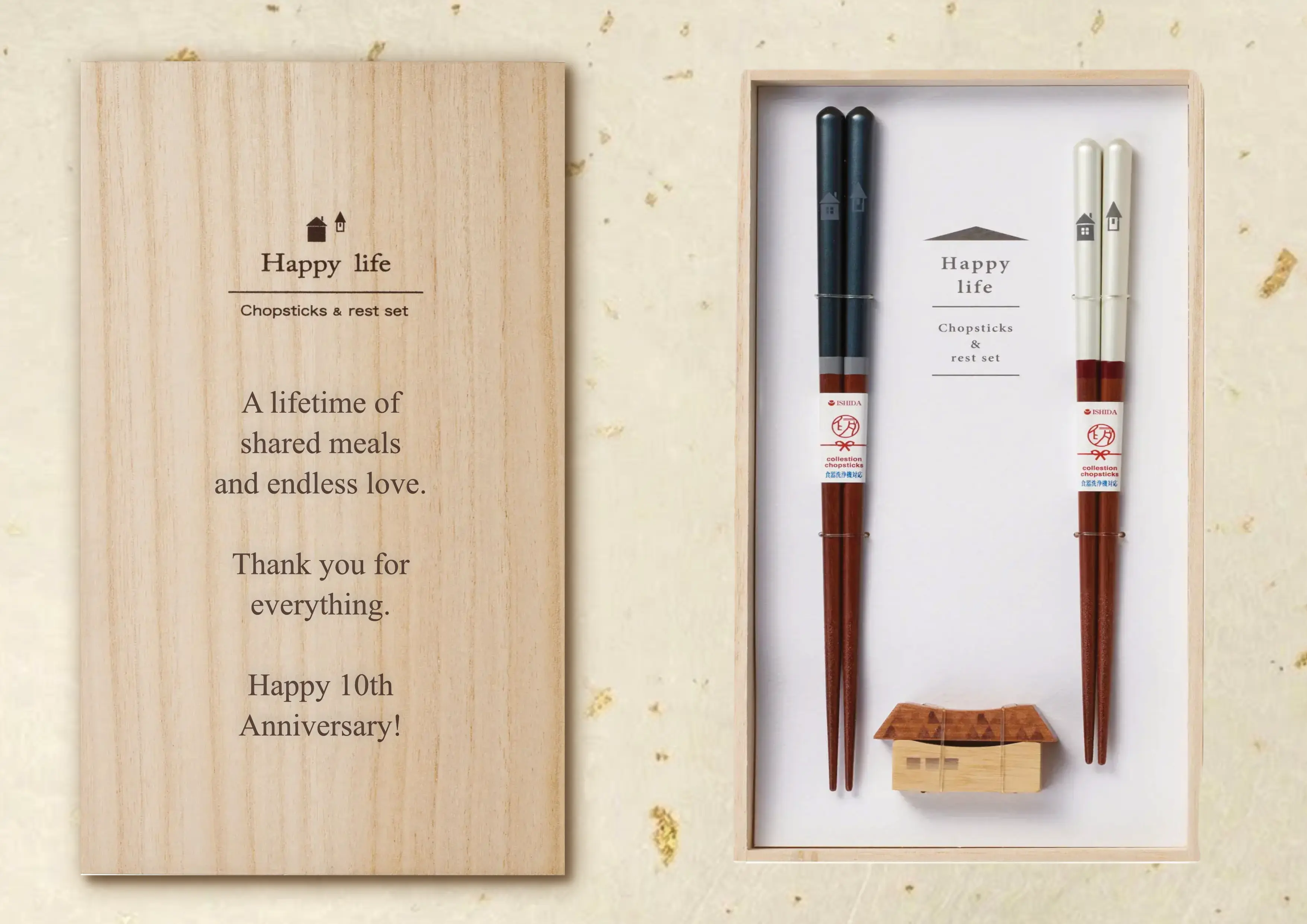
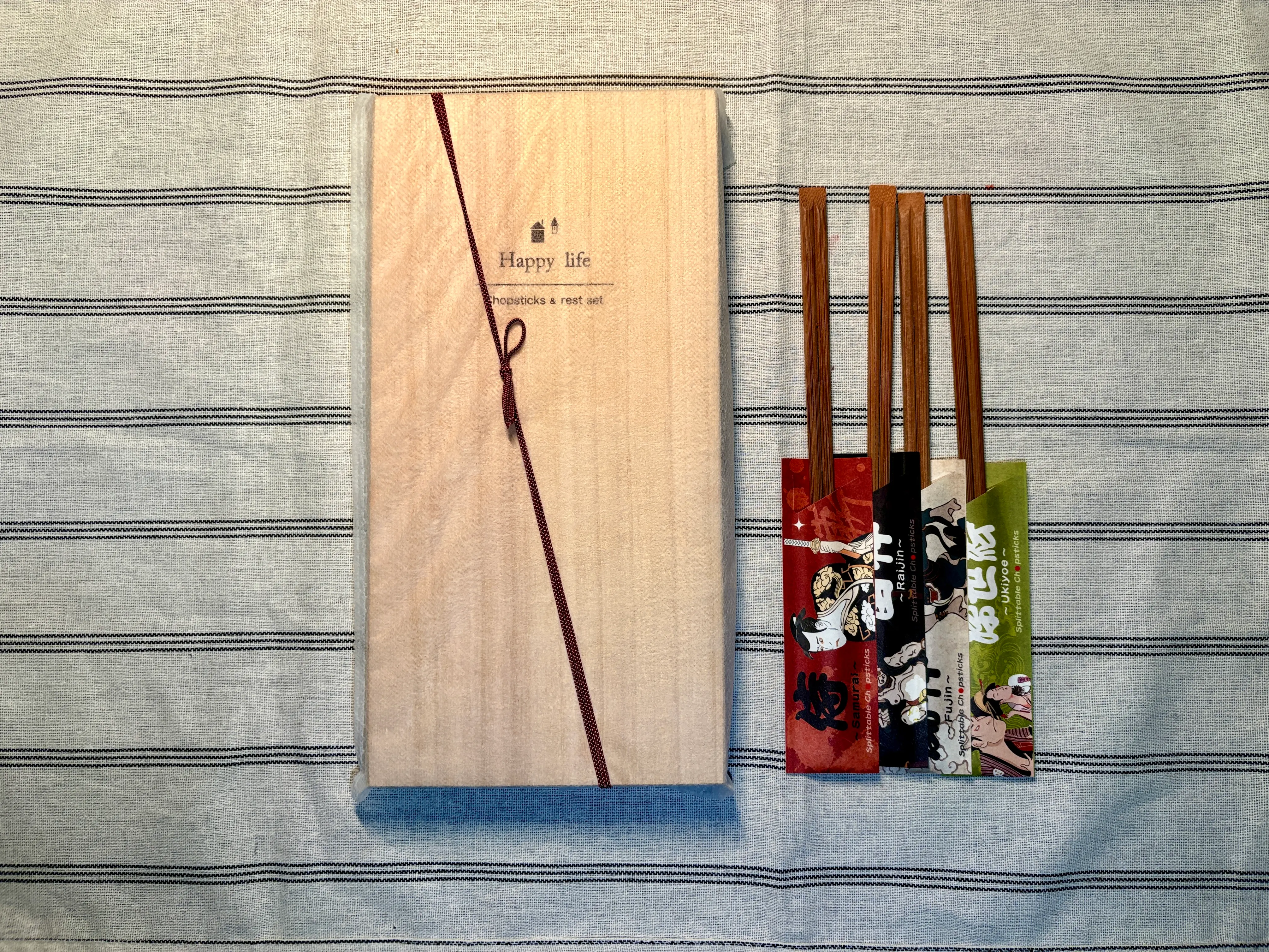
Happy Life (Gift Box)
¥7,800
Engraving on Wooden Box
You don't need to spend your sightseeing time shopping for souvenirs. Explore Tokyo to the fullest during the day, and receive your personalized gifts at your hotel at night or early morning.
It's the ultimate time-saving strategy for smart travelers.

- Select
your
series:
Choose between Everyday Classic Chopsticks for personal use or the Matching Pair Gift Set (comes in a Paulownia wood box). - Design
online:
Enter your name or message. Our live preview shows you exactly how it will look. - Checkout
by
Midnight:
For next-day delivery, place your order by 24:00 (midnight). Delivery starts from 4:00 AM. - Receive at Night or Morning:
Please meet us directly in front of your hotel building between 8:00 PM and 8:00 AM. Make the most of your free daytime!
📋 Service Details
- Next-Day Express
Available:
A reliable backup plan if you forgot to buy souvenirs.
(+¥3,000 for orders placed by midnight). - Free One-Time Redelivery:
Jet lag got you oversleeping?
If you miss the delivery, you get one free redelivery to your original address, during our delivery hours (8:00 PM - 8:00 AM). The earliest time is 90 minutes after your original scheduled delivery time. - All-Inclusive Base Price:
Displayed prices include the item, custom engraving, and standard delivery. - Order Together & Save:
Additional Classic pairs are only ¥2,000 each (up to 5 pairs online). - Delivery Area & Bulk Orders:
East Tokyo Area ONLY.
For orders of 6+ pairs or special area requests, please contact us via WhatsApp or Email.
📅 Delivery Calendar
Check available delivery dates for your travel plans!

More than just an eating tool. Discover why personalized chopsticks are the ultimate Japanese souvenir.
[Deep Dive]
History, Craft & Etiquette
▼
1. Why "Hashi" Means "Bridge"
In the Japanese language, the word for chopsticks, hashi (箸), is a perfect homophone for "bridge" (橋). Historically, they were sacred tools, acting as a spiritual conduit between the human world and the divine realms. Ancient Japanese believed that when food was offered to a deity, the gods would inhabit the chopsticks.
2. The Evolution of Craft
The earliest Japanese chopsticks were crafted from a single piece of bamboo, bent in the center like tweezers. During the Edo period, regional artisans transformed these tools into exquisite works of art, using techniques like seashell inlay (Wakasa-nuri) and marbled lacquer (Tsugaru-nuri).
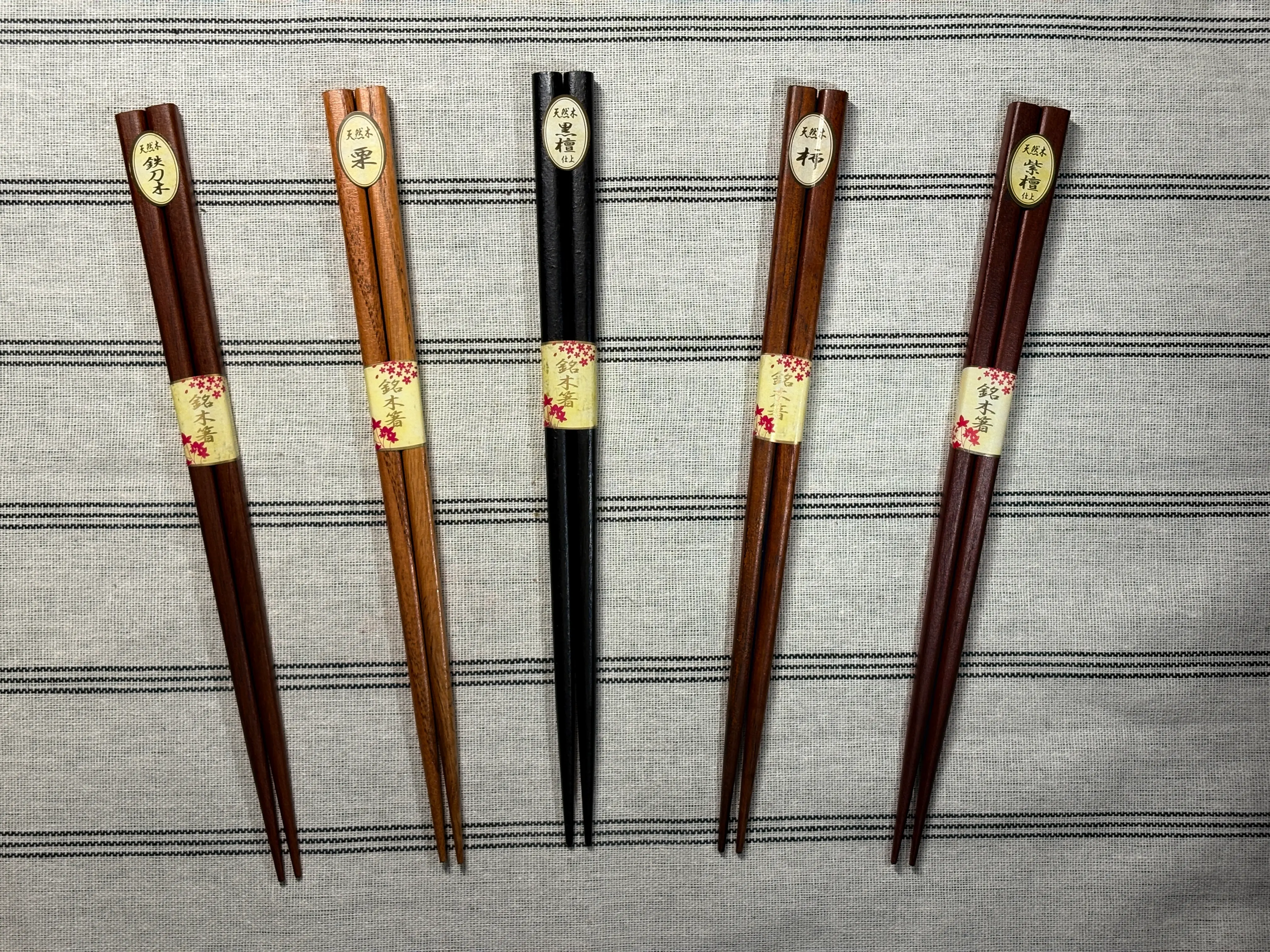
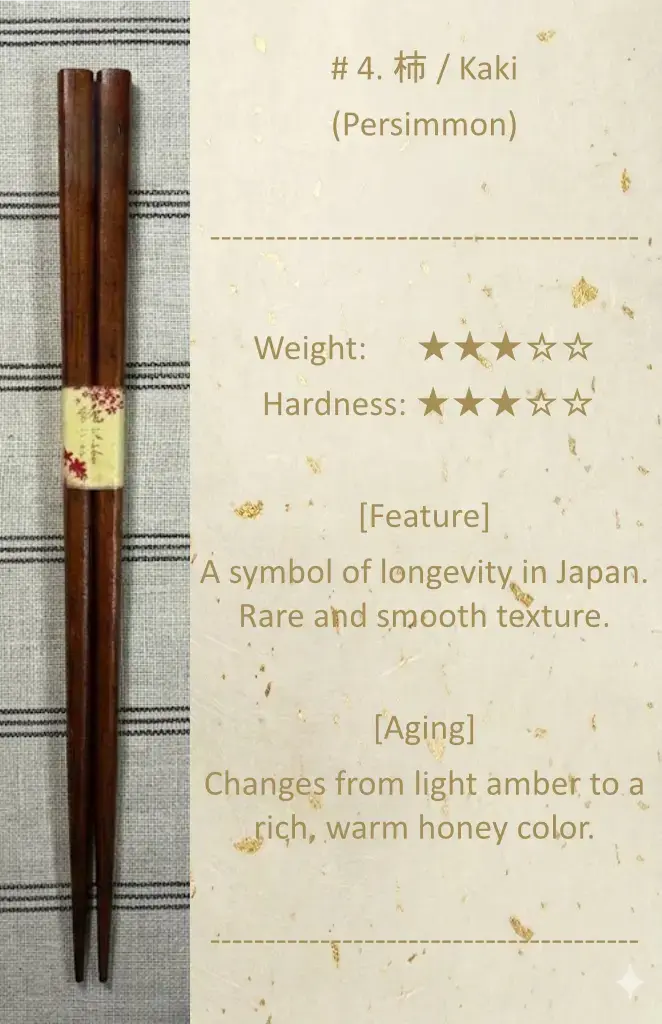
3. The Spirit of the Wood
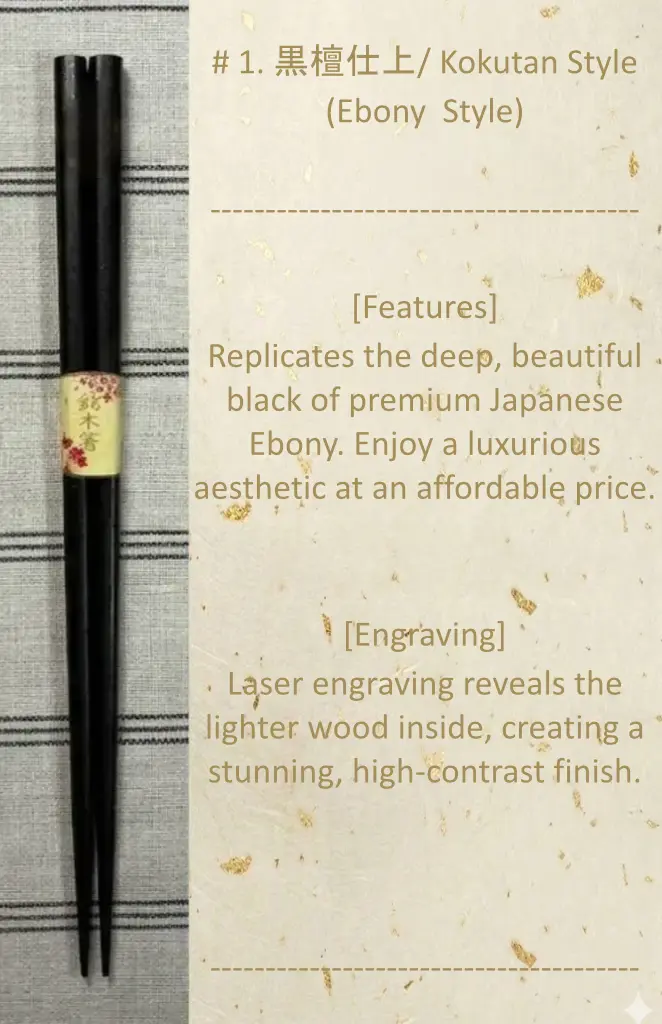
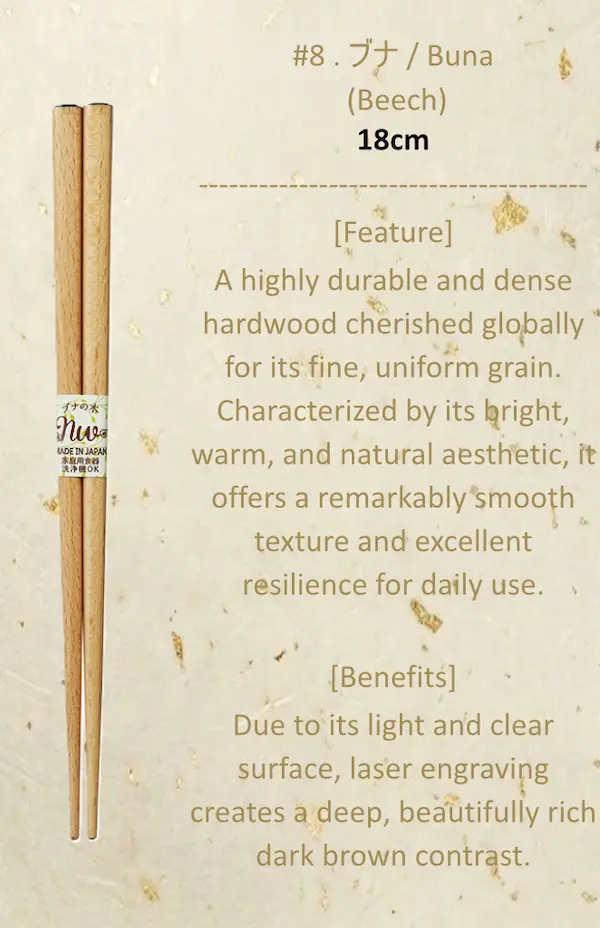
Ebony: The "King of Woods," representing dignity and
indestructible strength.
Rosewood: Elegant reddish-brown hue, representing balance and
spiritual harmony.
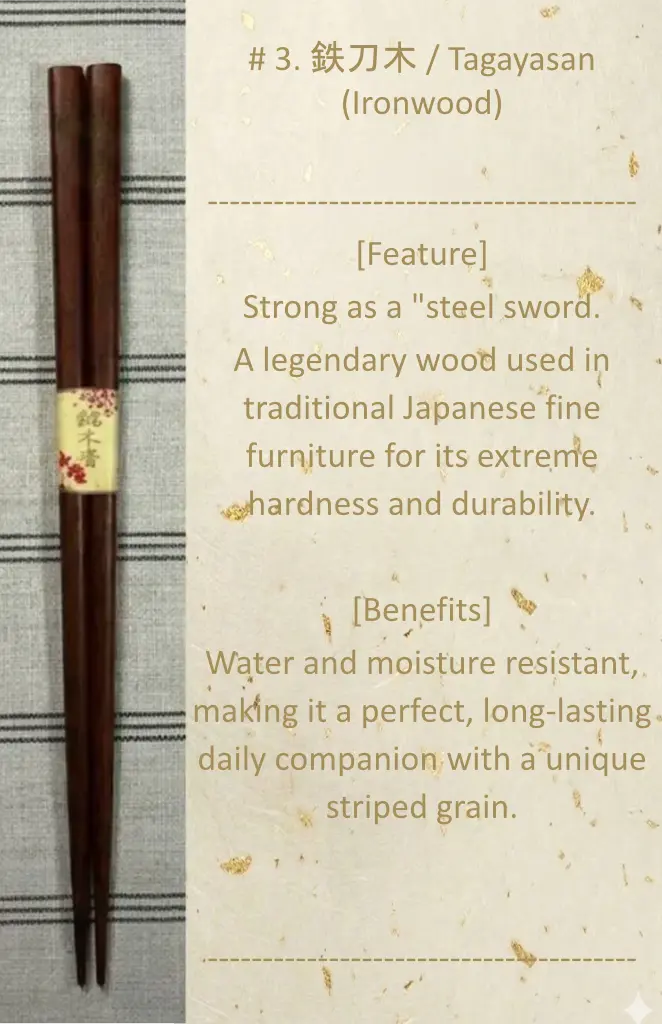
Ironwood: Strong as a steel sword, symbolizing endurance.
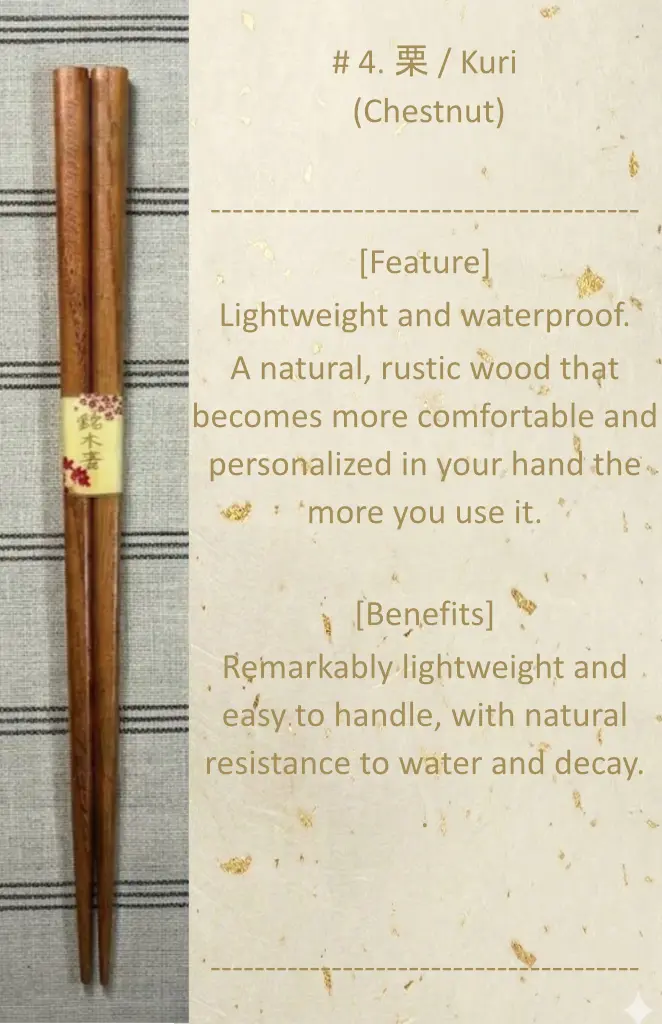
Chestnut: Lightweight and waterproof, representing a long,
healthy life.
4. The Philosophy of "My-Hashi"
Unlike shared western cutlery, Japanese people strictly use their own personal sets, known as My-Hashi. There is an ancient belief that the user’s soul resides within their chopsticks. Giving someone a personalized pair is a prayer for their health and a celebration of their unique identity.
5. "Meoto-bashi" (Matching Pair)
A matching pair is called Meoto-bashi. Since two sticks must work perfectly together, they symbolize partners supporting each other in harmony. Our gift sets are deeply inspired by Japanese traditions to celebrate vitality and good fortune.
6. Mindfulness & Table Manners
Japanese dining is a ritual of gratitude.
To respect this, avoid these taboos:
Tate-bashi: Never stick chopsticks vertically into rice
(mimics funeral incense).
Hashi-watashi: Never pass food directly from chopstick to
chopstick.
Sashi-bashi: Avoid stabbing food with a single stick.
7. The Golden Ratio of Chopsticks (1.5 Rule)
In Japan, we use the "Hitoata" measurement
to find the ergonomic ideal:
Step 1: Make a "V" shape with your thumb and index finger at a 90° angle.
Step 2: Measure the distance between the two tips.
Step 3: Multiply that by 1.5 to find the ideal length.
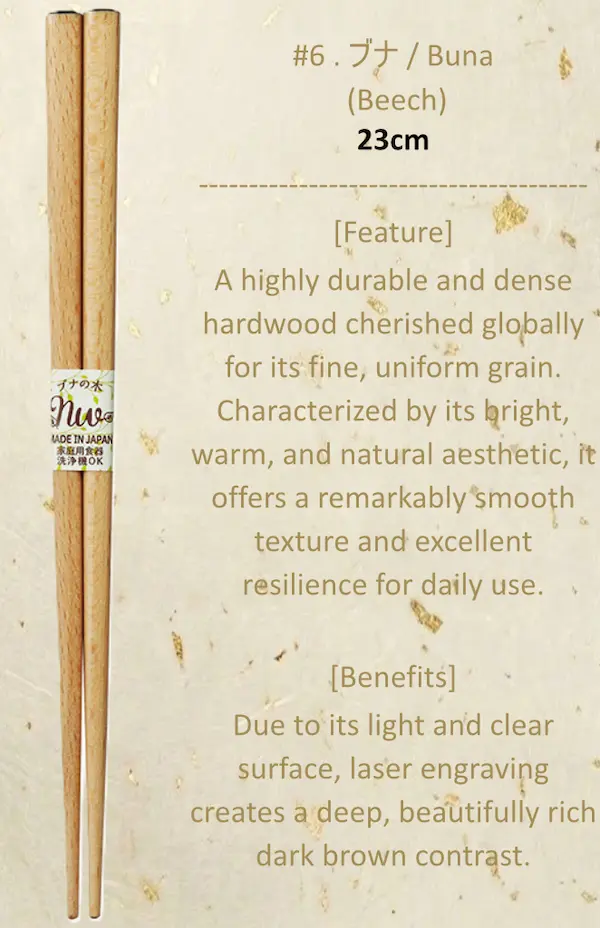
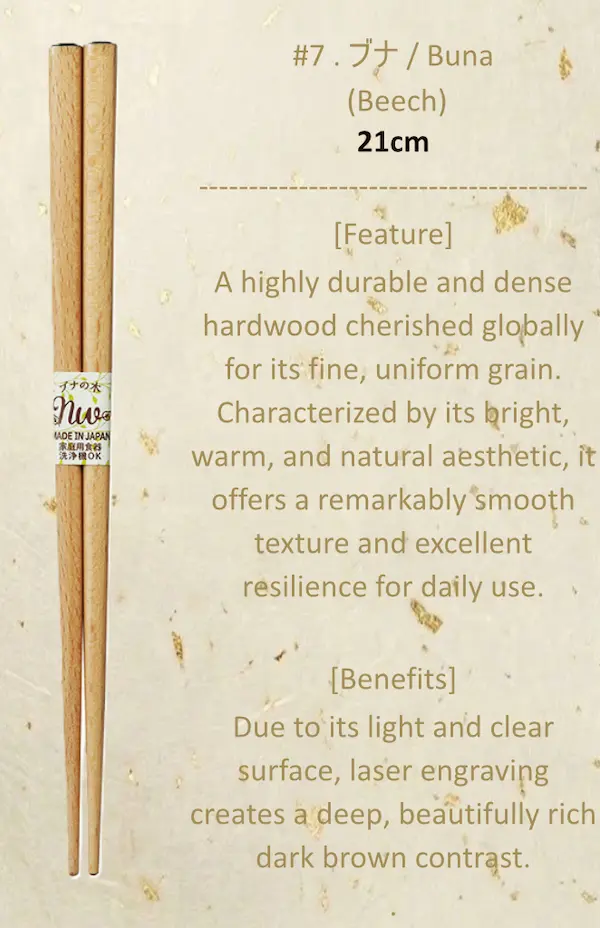
For most modern adults, this "1.5 ratio" comes out to about 22.5cm to 23cm, which is exactly why it
has become the gold standard size in Japan (and the size we proudly offer).
Tokyo: A world-class culinary capital where global traditions meet Japanese "Obsession."
[Deep Dive]
The "Secret Sauce" of Tokyo’s Food Scene
1. A Global Tapestry of Flavors
Japan is a master of "Refinement." We honor global roots while taking them to 120% perfection.
Many dishes you think are "Japanese" actually evolved from international seeds:
- Spain & The Paella Connection: Japan is one of the places where Paella is most cherished, leading to unique seafood-heavy rice cultures.
- Germany & Austria: Tonkatsu (breaded pork) was inspired by Schnitzel, then evolved with thick-cut meat and specialized panko.
- France: Korokke (Croquette) and Cotelette (Katsu) have become "ur-Japanese" classics found in every local deli.
- Italy: Tokyo is home to world-class Pizza, often rivaling Naples with high-quality local flour and meticulous temperature control.
- Portugal: 16th-century explorers brought Tempura (from 'tempora') and Castella cake, now pillars of Japanese cuisine.
- UK & India: Japanese Curry arrived via the British Navy, transforming into the thick, savory "soul food" it is today.
- China: Ramen & Gyoza were imported and underwent a total transformation into thousands of regional craft styles.
- USA (Hawaii): Teriyaki was born from Japanese immigrants adapting local ingredients, now a global standard.
- Southeast Asia: The ancient roots of Sushi began as fermented fish in the Mekong River before Tokyo turned it into a high-speed art form.
2. The Scientific "Obsession" with Freshness
Tokyo’s logistical "Cold Chain" is legendary. Whether it’s a 500-yen bowl or a 50,000-yen feast, the
standard
for ingredient safety and seasonal "Shun" (peak flavor) is uncompromising. Even casual spots often serve
quality
that would be considered fine dining elsewhere.
3. Forbidden Meat & the Evolution of Wagyu
For 1,200 years, eating meat was officially banned in Japan. It wasn't until the Meiji Restoration
(1868) that
beef became a symbol of modernization, eventually leading to the "marble" perfection of modern Wagyu.
4. The Art of "TKG" (Raw Egg Culture)
Eating raw eggs (Tamago Kake Gohan) is only possible here because of Japan's extreme salmonella-free
production
standards. It's the ultimate "brave" soul food for travelers.
5. The "Science" of Slurping (Ramen, Udon, Soba)
Slurping isn't just a sign of enjoyment; it’s functional. By inhaling air with the noodles, you aerate
the broth
like a wine sommelier, cooling the meal and intensifying the aroma in your mouth.
6. Surgical Precision & the "Teishoku" Culture
The "Ichiju Sansai" (one soup, three sides) structure is a nutritional masterpiece. Everything from the
geometry
of the tray to the balance of protein and fiber is designed for longevity and aesthetic harmony.
💡 Pro Tip: Escape the "Tourist Traps"
If you search for "Best Sushi" in English on Google Maps, the algorithm will often direct you to overpriced restaurants filled only with tourists. The secret? Translate your craving into Japanese! Search for "寿司" (Sushi) or "とんかつ" (Tonkatsu) instead. You'll instantly uncover the hidden, authentic gems where locals actually eat—often offering way better quality at a fraction of the price. We hope this trick adds extra flavor to your Tokyo food tour! And if you ever need a personalized souvenir, keep our Chopstickers in the back of your mind.⚠️ Important Notice
🛵 Notice ▼
-
Handover Location:
We hand over items OUTSIDE your hotel/building. We do not enter the lobby. -
Wait Time Limit:
We wait a maximum of 10 minutes after our arrival message. If you do not appear, we will leave (We will redeliver once, free of charge, to your original delivery address within our delivery hours, 8:00 PM - 8:00 AM.). -
Traffic & Delays:
Delivery times may vary slightly due to traffic or previous deliveries. We will keep you updated via WhatsApp. -
Cancellation:
No cancellations or refunds after payment, except in cases of our equipment failure or severe traffic preventing delivery. -
If You Miss the Free Redelivery:
Options are a 3rd Delivery attempt (¥1,000), Domestic Shipping within Japan only (¥1,000, tracking number emailed after shipment), or Disposal (free). If you also miss the 3rd Delivery, no further redelivery is provided and the item is disposed of without a refund. -
Live Preview Limitation:
The live preview is for illustrative purposes only. It does not allow you to adjust exact engraving positions or color shades for the final product.
✉️ Contact & FAQ
🛵 FAQ ▼
Do you ship internationally?
How do I receive the item?
Why is the handover outside the building?
What if I'm late to meet you?
You then get ONE free redelivery to your original delivery address, during our delivery hours (8:00 PM - 8:00 AM); the earliest time is 90 minutes after your original scheduled delivery time.
If we still cannot meet, contact us by Email or WhatsApp to choose: a 3rd delivery attempt (¥1,000, prepaid; the earliest time is 90 minutes after your second scheduled delivery time), domestic shipping within Japan (¥1,000, prepaid; we will email you the tracking number after shipment), or disposal (free of charge).
If you are also unavailable for the 3rd delivery attempt, no further redelivery is arranged and the item is disposed of without a refund.
Unclaimed items are kept until 7 calendar days after your original scheduled delivery date (23:59 JST), then disposed of with no refund.
What happens if I miss the 3rd Delivery?
Can I choose Domestic Shipping?
What happens after the parcel is shipped?
What payment methods do you accept?
Can I pay with cash upon delivery?
Is there a limit to how many orders you take per day?
Yes. As a one-person operation, we limit orders to around 10 pairs per day.
You can check the remaining capacity for the next two days on the selection screen before placing your order.
Can I order 6 or more pairs of chopsticks at once?
Yes, we can accept it as long as it does not exceed our daily capacity.
Please contact us via WhatsApp with your engraving details to place an order. We will apply the additional pair discount (¥2,000 per extra pair) and issue a custom Stripe link.
Can I buy custom engraved chopsticks in Tokyo at the last minute?
Do you have a physical store where I can buy chopsticks?
Questions? Feel free to reach out via DM or Email.